
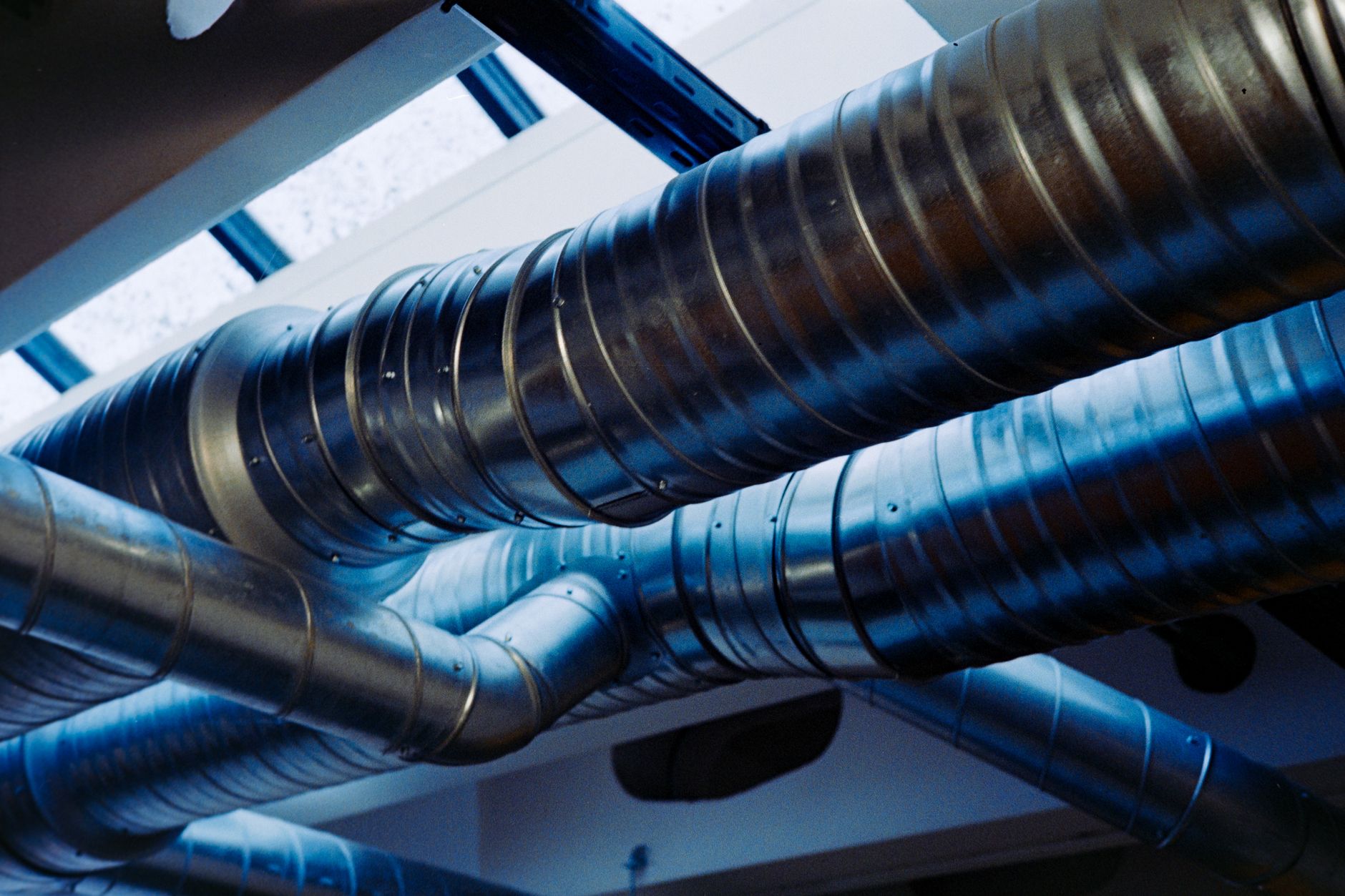
Grease build-up is the silent fire risk in commercial kitchens. Here's exactly what TR19 asks of you and how to stay on the right side of it.
Kitchen extract systems are a non-negotiable part of running a safe commercial kitchen. Grease, dust and debris accumulate on canopies, filters and ductwork — and once that build-up exceeds safe thresholds, it becomes a serious fire risk and an insurance headache.
TR19 (now sometimes referenced as TR19 Grease) is the industry-standard specification for the cleanliness of internal ductwork. It dictates how often you should inspect, what level of cleanliness you need to achieve, and what evidence you must retain.
What TR19 actually requires 1. Risk-rated inspection intervals (heavy-use kitchens: every 3 months). 2. Pre- and post-clean dust thickness measurements. 3. Photographic evidence at access panels and remote sections. 4. A signed certificate stored with your fire risk assessment.
Where most operators fall short Insurers reject claims when records don't match what's actually on site. We've walked into kitchens with pristine canopies and ducts caked in 4mm of grease behind the riser. TR19 is about what's hidden, not what looks tidy.
The Calmbreeze approach We schedule cleans around your service hours, deliver a clear access panel map, and hand you a compliance pack the same week. No paperwork chasing — just a clean kitchen and a clean record.
[ Share ]
[ Monthly compliance digest ]